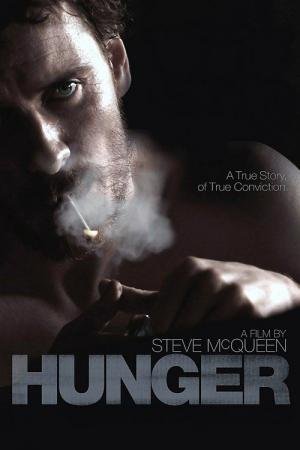
 UK
UK
The story of Bobby Sands, an IRA member who led the 1981 hunger strike in an effort to secure political status for Republican prisoners. The film dramatizes the tense and harrowing events at Maze Prison during the six weeks leading up to Sands’ death.
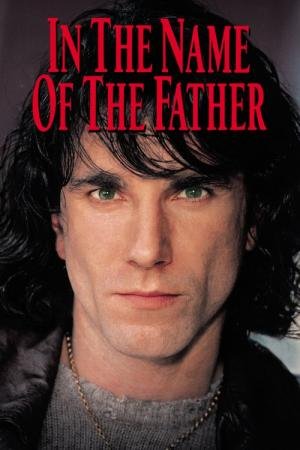
 1993
1993
Gerry Conlon, a petty thief from Belfast, is falsely accused of an IRA bombing in London that kills several people. Along with four friends, he is pressured by British police into confessing to a crim...
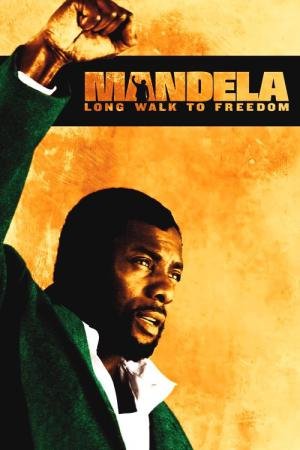 2013
2013
A sweeping chronicle of Nelson Mandela’s extraordinary journey, tracing his path from a childhood in a rural village to his historic inauguration as South Africa’s first democratically e...

 2005
2005
After the sudden death of her mother, young Aurore Gagnon suffers relentless abuse at the hands of her troubled stepmother, while her community turns a blind eye—tragically leading to her untim...
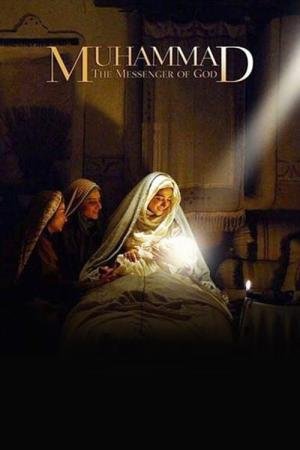
 2015
2015
By the command of the King of Habasha, Abraha, one of his generals marches on Mecca with a vast army of soldiers, horses, and elephants, intent on destroying the House of God. Yet, by divine will, jus...
 2024
2024
Anora, a young sex worker from Brooklyn, never imagined that her life could take a turn for the better. But everything changes when she meets Alexei, the charming and wealthy son of a powerful Russian...
 2006
2006
A gripping, moment-by-moment portrayal of United Flight 93, the hijacked 9/11 airliner that crashed near Shanksville, Pennsylvania after its courageous passengers disrupted the terrorists’ plan...
 1978
1978
Billy Hayes is arrested for attempting to smuggle drugs out of Turkey, and the courts, eager to make an example, sentence him to over 30 years in prison. His chances for freedom hinge on two paths: ap...
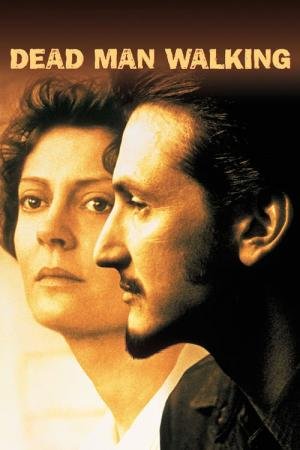
A true-story justice drama about a death-row inmate who, in his final days, forms a profound bond with a compassionate nun. As she guides him toward forgiveness and spiritual peace, she remains by his...
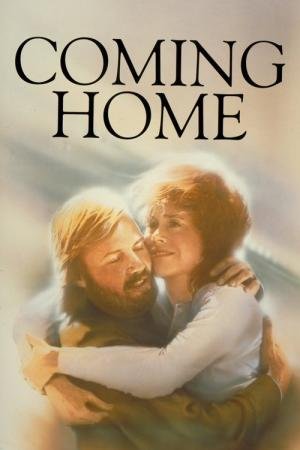 1978
1978
Sally Hyde (Jane Fonda), the wife of a Marine deployed in Vietnam, volunteers at a local veterans’ hospital to fill her days. There, she encounters Luke Martin (Jon Voight), a frustrated, wheel...
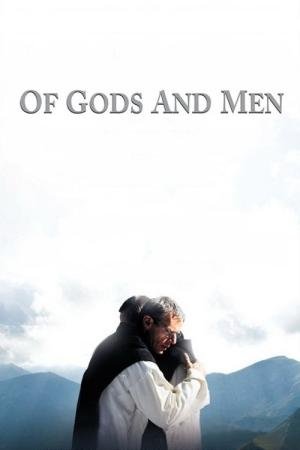
 2010
2010
A French drama inspired by the 1996 kidnapping and murder of seven monks in Algeria. At the monastery of Tibhirine, a community of Trappist monks lives peacefully alongside their mostly Muslim neighbo...
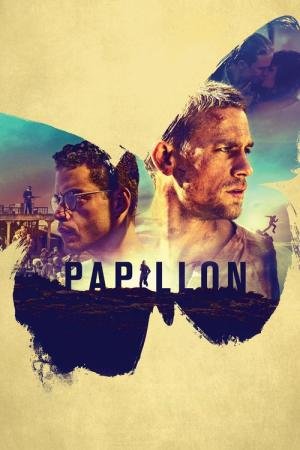 2017
2017
Henri “Papillon†Charrière is wrongly convicted of murder in Paris and sentenced to life in the brutal penal colony of French Guiana. Driven by an unbreakable desire for freedom, he plo...
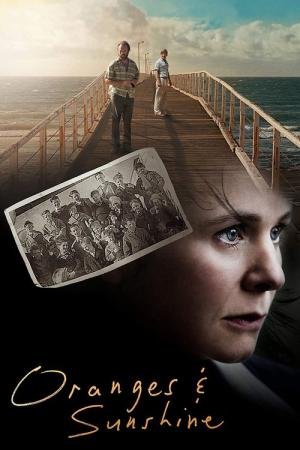 2010
2010
The story of Margaret Humphreys, a social worker from Nottingham, who exposes one of the most shocking social scandals of recent times—the forced migration of children from the United Kingdom. ...
Hunger - Movie Crew Info
Set during the 1981 Irish hunger strike, the film "Hunger" tells the intense and gripping story of Bobby Sands, a member of the Irish Republican Army (IRA), who leads a protest against the British government's treatment of political prisoners in Northern Ireland’s Maze Prison. The prisoners demand recognition as political prisoners rather than criminals, seeking to regain lost rights such as wearing their own clothes and not performing prison work. The story is both deeply personal and politically charged, focusing on the brutal conditions the prisoners face and their unwavering commitment to their cause.
Bobby Sands becomes the central figure of the hunger strike, a drastic form of protest where prisoners refuse food to draw attention to their plight. The film portrays his physical and emotional transformation as the strike progresses. Sands’ determination is both inspiring and heartbreaking, showing the immense toll the strike takes on his body and mind. Throughout the film, viewers see not only the suffering within the prison walls but also the impact of the strike on the outside world, including the political tension and media attention it generates.
The film does not shy away from depicting the harsh realities of prison life. It includes intense scenes of violence, force-feeding attempts by guards, and the psychological strain experienced by the prisoners. The stark, minimalist style of the movie enhances the raw emotions and stark conditions faced by the characters, making the experience immersive and impactful. Dialogue is sparse, but when it occurs, it is powerful and meaningful, reflecting the weight of the situation.
Beyond the physical struggle, "Hunger" also explores themes of sacrifice, identity, and resistance. Bobby Sands is portrayed as a complex character—steadfast and resolute yet deeply human, grappling with fear, hope, and despair. His leadership inspires other prisoners and highlights the broader political conflict between the Irish Republican movement and the British government.
The film culminates with the tragic consequences of the hunger strike, showing the devastating cost of this form of protest. Sands’ death becomes a symbol of resistance and martyrdom, sparking widespread attention and sympathy for the prisoners' cause. The strike changes the political landscape, influencing future negotiations and public opinion about the conflict in Northern Ireland.
"Hunger" is not just a historical drama; it is a powerful meditation on the limits of human endurance and the lengths to which people will go for their beliefs. It challenges viewers to reflect on issues of justice, freedom, and the price of political conviction. Through its vivid and moving portrayal of Bobby Sands and the hunger strikers, the film leaves a lasting impression about courage, sacrifice, and the enduring fight for dignity and rights.
The movie Hunger teaches us about the devastating impact of oppression and the human spirit’s resilience. It reveals the harsh realities faced by political prisoners, showing their courage, pain, and hope amid unbearable conditions. Through raw, emotional storytelling, the film urges viewers to empathize with those who suffer silently and to recognize the power of sacrifice for justice. Ultimately, Hunger is a powerful reminder of dignity, resistance, and the unbreakable will to fight for freedom.
Awards
Berlin International Film Festival (2008)
Winner of the Jury Grand Prix
British Independent Film Awards (2008)
Best Actor: Michael Fassbender
Irish Film and Television Awards (2009)
Best Film
Best Director: Steve McQueen
Cannes Film Festival (2008)
FIPRESCI Prize for Parallel Sections
The movie "Hunger" (2008), directed by Steve McQueen, faced controversy primarily due to its graphic depiction of the 1981 IRA hunger strike in Northern Ireland. Critics debated its intense portrayal of violence and the physical deterioration of Bobby Sands, raising concerns about viewer discomfort and ethical representation. Some unionist groups criticized the film for perceived sympathetic treatment of IRA members, sparking public debate on historical narrative bias. Additionally, certain scenes were edited or cut in some regions to comply with censorship standards related to graphic violence and nudity. Despite this, "Hunger" was widely praised for its unflinching realism and political commentary.